CRANIAL HELMETS
Cranial Helmet Support
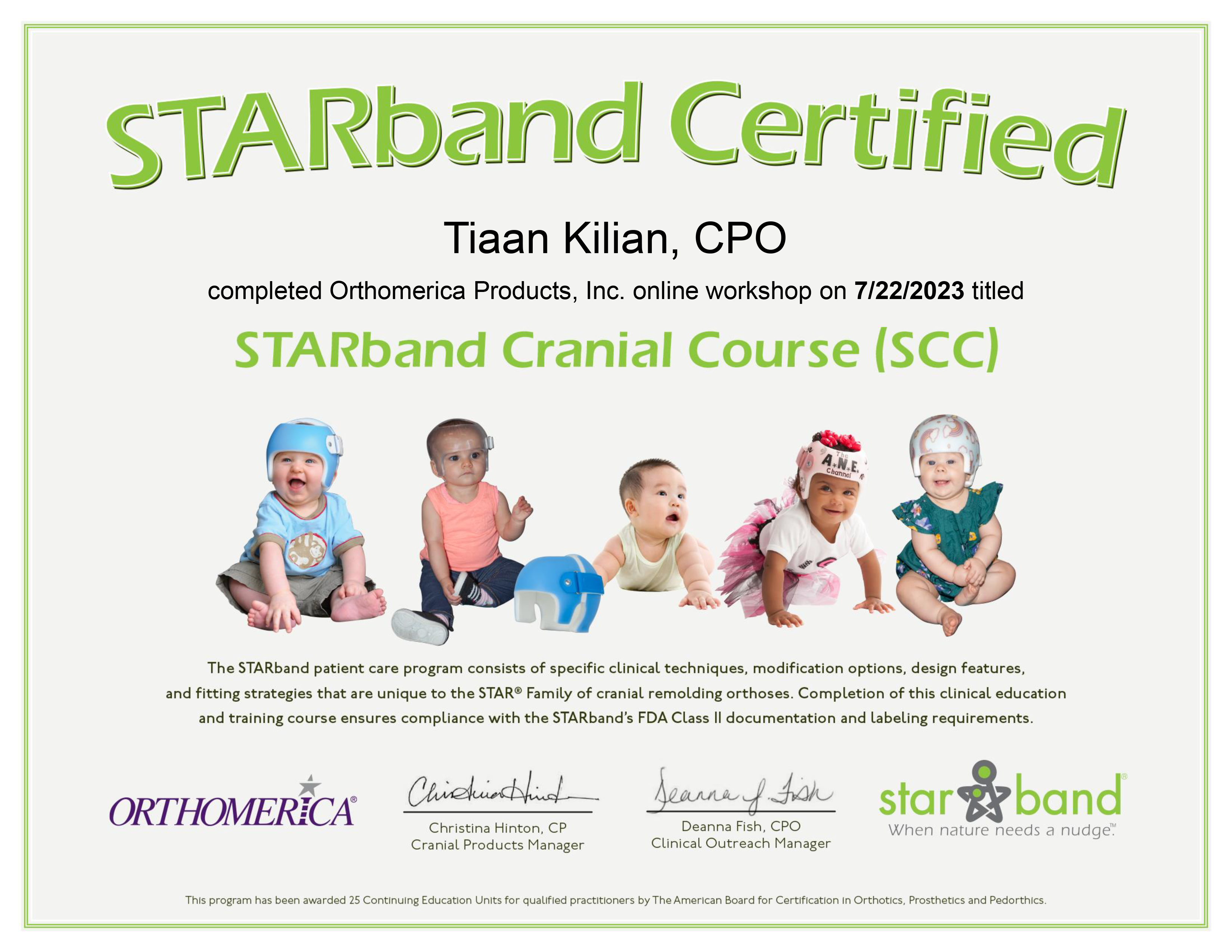
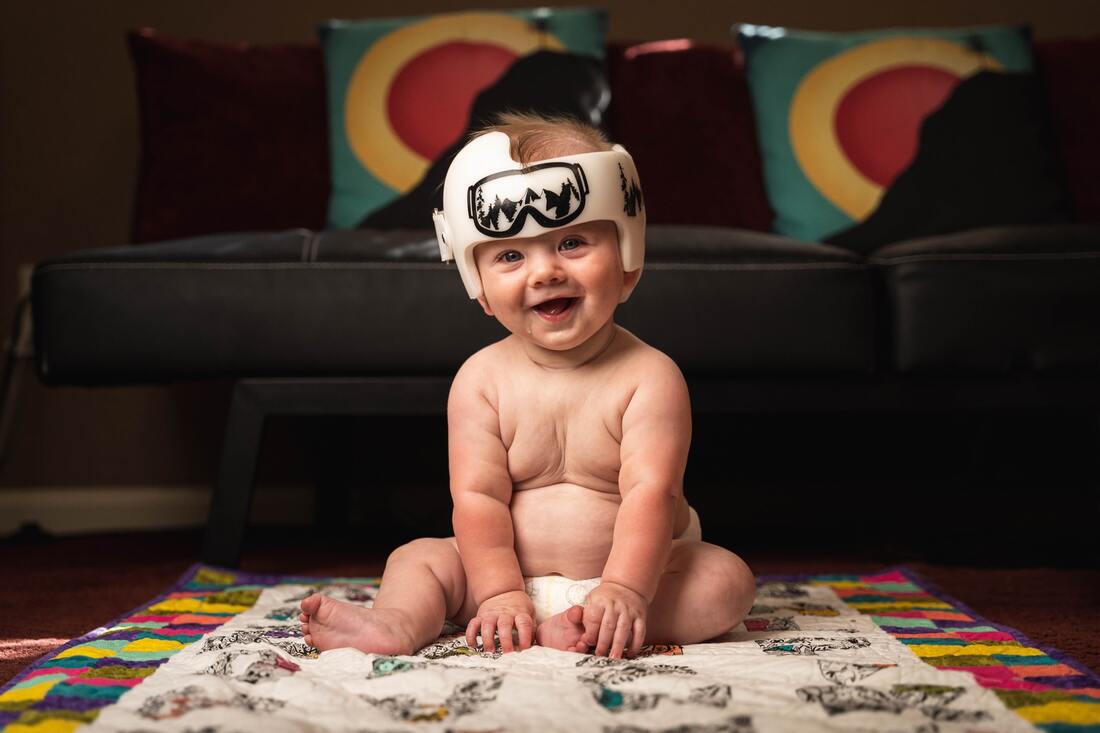
Cranial helmets are specialised medical devices used to gently reshape a baby’s head in cases of cranial deformities, such as plagiocephaly (flat head syndrome), brachycephaly, or scaphocephaly. Babies between 3 to 18 months old, when the skull is still malleable, benefit most from this treatment, as it helps correct irregular head shapes and promotes symmetrical growth. Kilian Orthopaedic Services is proud to be the only accredited orthotic practice in Namibia qualified to design and fit custom cranial helmets, ensuring your child receives the best care available.
Which conditions are treated with cranial helmets?
Cranial helmets are primarily used to treat several conditions that can lead to abnormal head shapes in infants. The most common conditions include:
1. Plagiocephaly: This condition occurs when a baby’s head develops a flat spot on one side due to prolonged pressure in one position, often exacerbated by sleeping on their back. This uneven growth can result in facial asymmetry, which cranial helmets help correct by applying gentle, even pressure to the prominent areas of the skull.
2. Brachycephaly: Brachycephaly is characterized by a wider-than-normal head shape, often resulting from the baby consistently lying on their back. The cranial helmet supports treatment by promoting the growth of the back of the head, allowing for a more rounded and symmetrical head shape.
3. Scaphocephaly: This condition is marked by an elongated head shape, usually caused by early fusion of the skull sutures (craniosynostosis). Cranial helmets provide the necessary support to guide the growth of the skull, encouraging a more balanced and appropriate head shape as the baby develops.
4. Craniosynostosis: This is a more complex condition where one or more of the sutures in the skull fuse prematurely. Although surgical intervention is often required for severe cases, cranial helmets can be utilized post-surgery to help mold the head and prevent further deformities.
Cranial helmets support treatment by applying gentle pressure to specific areas of the head while allowing for growth in others. This controlled pressure helps shape the skull as the baby grows, guiding it towards a more typical and symmetrical form. The helmets are custom-fitted to ensure comfort and effectiveness, making them a crucial part of the treatment process for infants with these conditions.
What is the time frame for a successful treatment with a cranial helmet?
The time frame for successful treatment with a cranial helmet typically ranges from three to six months, although it can vary based on several factors, including:
1. Age of the Baby: The earlier treatment begins, usually between 3 to 6 months, the more effective it tends to be, as the skull is still malleable and can respond more readily to the corrective pressure of the helmet.
2. Severity of the Condition: The extent of the cranial deformity will also influence the duration of treatment. More significant irregularities may require longer treatment periods, while milder cases may resolve more quickly.
3. Consistency of Wear: For optimal results, infants generally need to wear the helmet for 23 hours a day, removing it only for bathing and cleaning. Consistent use significantly impacts the effectiveness and speed of treatment.
4. Growth Patterns: Each baby’s growth rate and individual response to treatment can differ. Regular follow-up appointments with the orthotist will help assess progress and make any necessary adjustments to the helmet.
Parents can expect to see noticeable improvements in head shape within the first few months of treatment, but complete correction may take the full recommended duration. Ongoing evaluations by a qualified orthotist will help determine the precise timeline for each individual case.
When to seek medical attention?
It is important to seek medical attention if you notice any of the following signs or symptoms regarding your baby’s head shape or overall health:
1. Significant Head Shape Changes: If you observe a rapid change in your baby’s head shape or if the flat spots become more pronounced, this may indicate a need for professional evaluation.
2. Developmental Delays: If your baby shows signs of delayed motor skills, such as difficulty with rolling over, sitting up, or crawling, it could be related to their head shape or other underlying issues.
3. Persistent Flat Spots: If the flat areas on your baby’s head do not improve despite changes in sleeping positions or repositioning techniques, it may be time to consult a specialist.
4. Irritability or Discomfort: If your baby appears unusually fussy, shows signs of pain, or is uncomfortable when lying on their back or during helmet wear, it’s important to have them assessed.
5. Uneven Facial Features: If you notice facial asymmetry, such as one ear appearing lower than the other or uneven eye positioning, this could indicate a need for further evaluation.
6. Consultation Post-Treatment: If your baby has been treated with a cranial helmet and you have concerns about their progress or the effectiveness of the treatment, don’t hesitate to reach out to your orthotist or pediatrician.
7. General Health Concerns: If your baby experiences any health issues, such as fever, vomiting, or other symptoms that cause concern, it is important to seek medical attention promptly.
If you are ever unsure or have concerns about your baby’s head shape or development, it is always best to consult a healthcare professional, espacially your pediatrician. Early intervention can lead to better outcomes and more effective treatment options.
What you need to know about the treatment process
The process of obtaining a cranial helmet for your baby typically involves several steps, from initial evaluation to fitting and ongoing follow-up care. Here’s a detailed overview of the procedure:
1. Initial Consultation
- Appointment: Schedule an appointment with a pediatrician or a qualified orthotist to discuss your concerns about your baby’s head shape.
- Evaluation: During the consultation, the healthcare professional will assess your baby’s head shape and overall development. They may use various tools to measure the head and determine the severity of the condition.
2. Diagnosis and Recommendations
- Diagnosis: Based on the evaluation, the practitioner will diagnose any cranial deformities, such as plagiocephaly, brachycephaly, or scaphocephaly.
- Treatment Plan: If a cranial helmet is deemed appropriate, the practitioner will discuss the treatment plan, including the expected duration of wear, benefits, and any potential risks.
3. Custom Fitting
- Impression or Scanning: The next step involves taking precise measurements of your baby’s head. This can be done through a physical impression or a 3D scan to create a custom mold for the helmet.
- Design and Fabrication: Using the measurements, the orthotist will design and fabricate the cranial helmet, ensuring it fits snugly and comfortably on your baby’s head.
4. Fitting Appointment
- Initial Fitting: You will return to the practice for the initial fitting of the cranial helmet. The orthotist will place the helmet on your baby’s head and make any necessary adjustments to ensure a proper fit.
- Instructions for Use: The orthotist will provide instructions on how long your baby should wear the helmet each day (usually 23 hours) and how to care for it.
5. Follow-Up Appointments
- Regular Check-Ups: Scheduled follow-up appointments will be necessary to monitor your baby’s progress and make adjustments to the helmet as needed. These visits typically occur every 4 to 6 weeks.
- Progress Assessment: During these appointments, the orthotist will evaluate your baby’s head shape and may take new measurements to ensure the helmet is working effectively.
6. Duration of Treatment
- Treatment Timeline: Treatment generally lasts between 3 to 6 months, depending on the severity of the condition and how well your baby responds to the treatment.
- Final Assessment: Once the treatment period is complete, the orthotist will conduct a final assessment to determine if additional adjustments are needed or if the treatment can be concluded.
7. Post-Treatment Care
- Monitoring: Even after treatment, it’s important to monitor your child’s head shape and development. If any concerns arise, consult your healthcare provider.
- Continued Reassurance: Regular check-ups with your pediatrician will help ensure that your baby’s overall development remains on track.
By following these steps, parents can ensure that their baby receives the best care possible when getting a cranial helmet, promoting healthy head shape development. At Kilian Orthopaedic Services, we are committed to providing comprehensive support throughout this process.
Additional Information
In Namibia, whether medical aid covers cranial helmets can vary depending on the specific medical aid provider and the individual plan. Here are some key points to consider:
1. Medical Aid Policies: Some medical aid schemes may cover cranial helmets, particularly if they are deemed medically necessary for the treatment of conditions like plagiocephaly or other cranial deformities. It’s important to check the terms and conditions of your specific plan.
2. Pre-Approval: Many medical aid providers require pre-authorisation or a referral from a healthcare professional before covering the costs of cranial helmets. This may involve submitting documentation that outlines the medical necessity of the treatment. In order for us to send in a pre-approval to your medical aid, we need a prescription from your pediatrician and a consultation is essential for evaluating what is required for your baby and for us to put together an estimate and motivation.
3. Consultation with Provider: It’s advisable to contact your medical aid provider directly to inquire about coverage for cranial helmets. They can provide detailed information on what is covered, any necessary paperwork, and any potential out-of-pocket expenses.
4. Documentation: Ensure you keep all relevant documentation, including medical evaluations, treatment plans, and invoices, as these may be required for reimbursement or claims processing.
If you are considering cranial helmet treatment for your baby, it’s best to discuss coverage options with both your healthcare provider and your medical aid scheme to ensure you have a clear understanding of any potential costs involved.

Our Mission is a Better Orthopaedic Health Care in Namibia
(+264) 833 355 050
Ombika Street, LPPH Suites West, Second Floor, Room 26, Windhoek
Business Hours
Weekdays 08h00 – 17h00

After Hours
ON STAND-BY For any emergencies please feel free to call